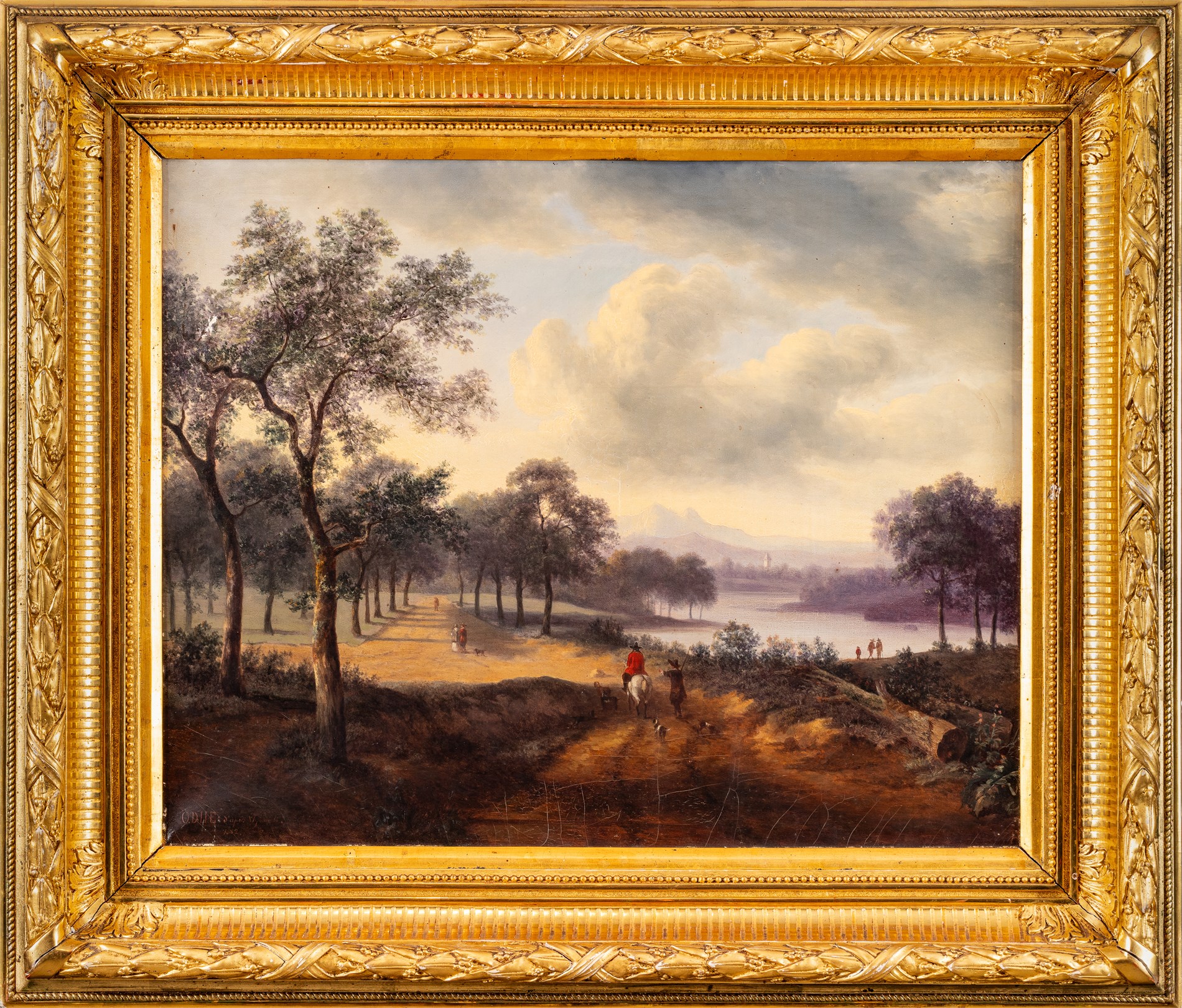
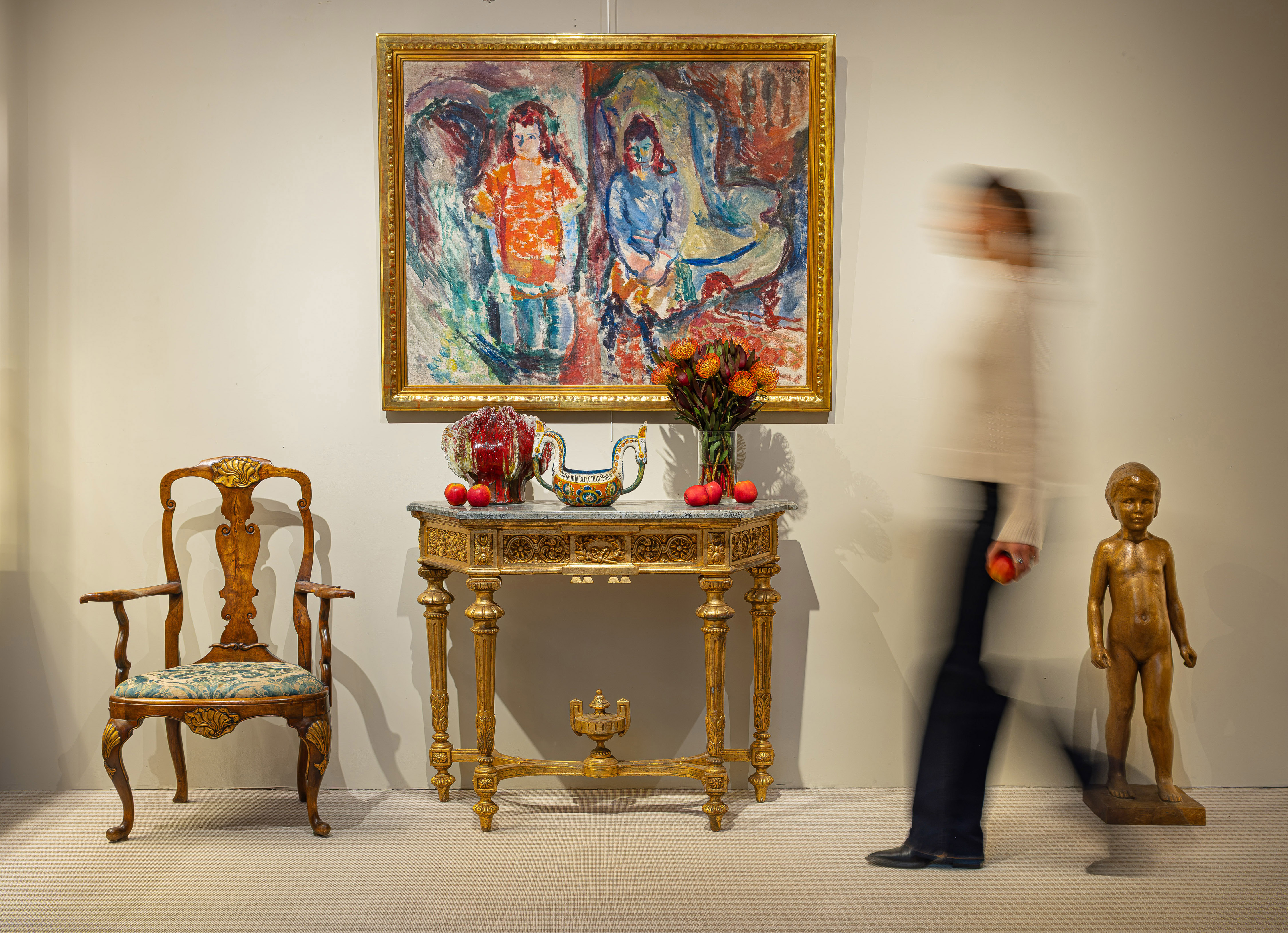
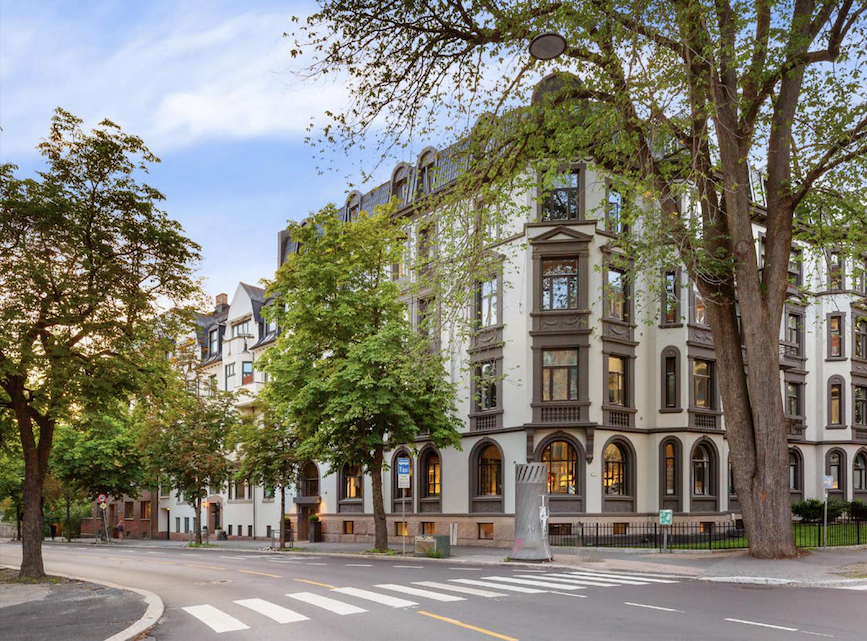
The estate of former Prime Minister Fredrik Gottschalck Haxthausen Due
The February 2026 auction will feature antiques and art from the estate of former Prime Minister Fredrik Gottschalck Haxthausen Due (1796–1873).
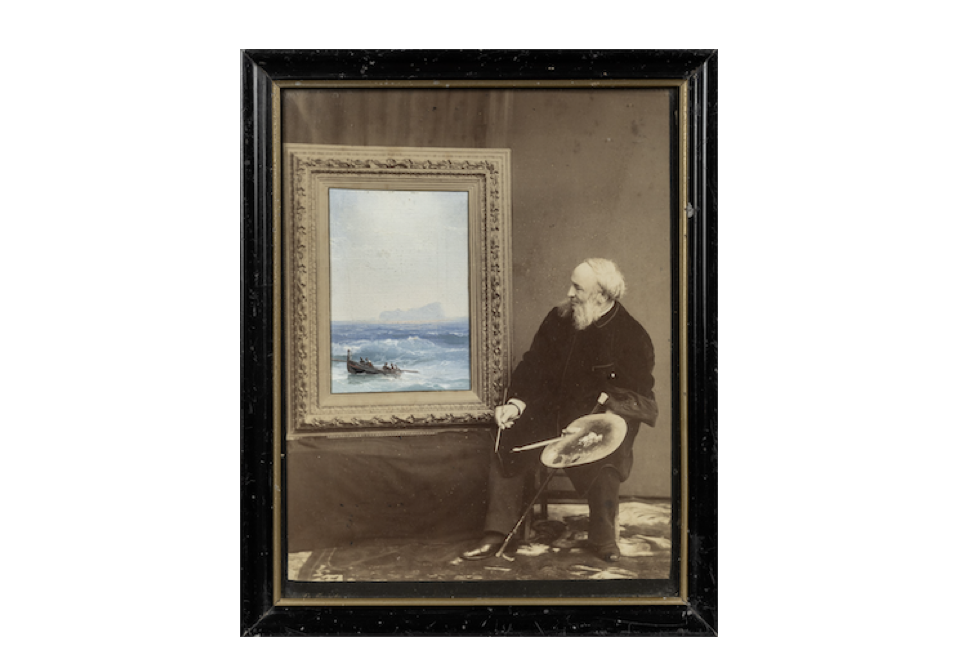
Ivan Constantinovich Aivazovsky (1817–1900). Marine scene from Capri, c. 1890. Estimate: 80,000–120,000. Hammer price: 250,000.
Nyborgs Auksjoner is pleased to present unique items from the estate of former Prime Minister Fredrik Gottschalck Haxthausen Due (1796–1873), the country's longest-serving Prime Minister from 1841 to 1858. Together with his wife, they led a stately life in Christiania, Stockholm, and at Oakhill in Råde, Østfold. Due's son, Frederik Georg Knut Due (1833–1906), also became a Norwegian-Swedish minister, and his wife, Olga Julie Tengborski Due (1856–1921), was of Russian nobility from St. Petersburg and served as a lady-in-waiting to Tsar Alexander II at the Anichkov Palace.
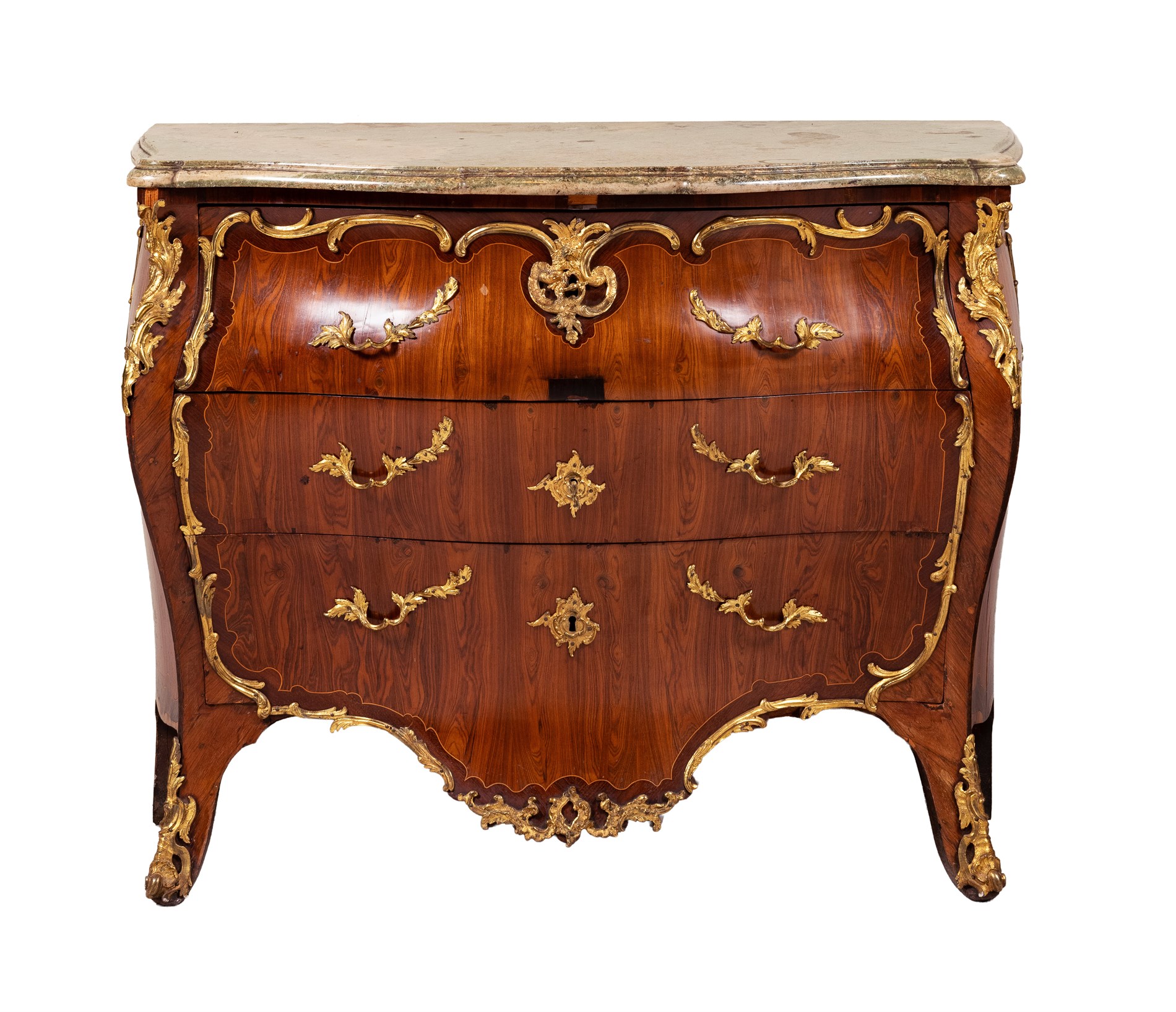
Items from the estate have since been passed down through the family in Østfold. The estate offered at auction by Nyborgs Auksjoner can be traced back to the 18th century, but the most interesting portion dates from the early 19th century to the present day. Key family names include Due and Sibbern, and central locations include Værne Kloster, Oakhill, and Huseby, all situated in Råde, Østfold.
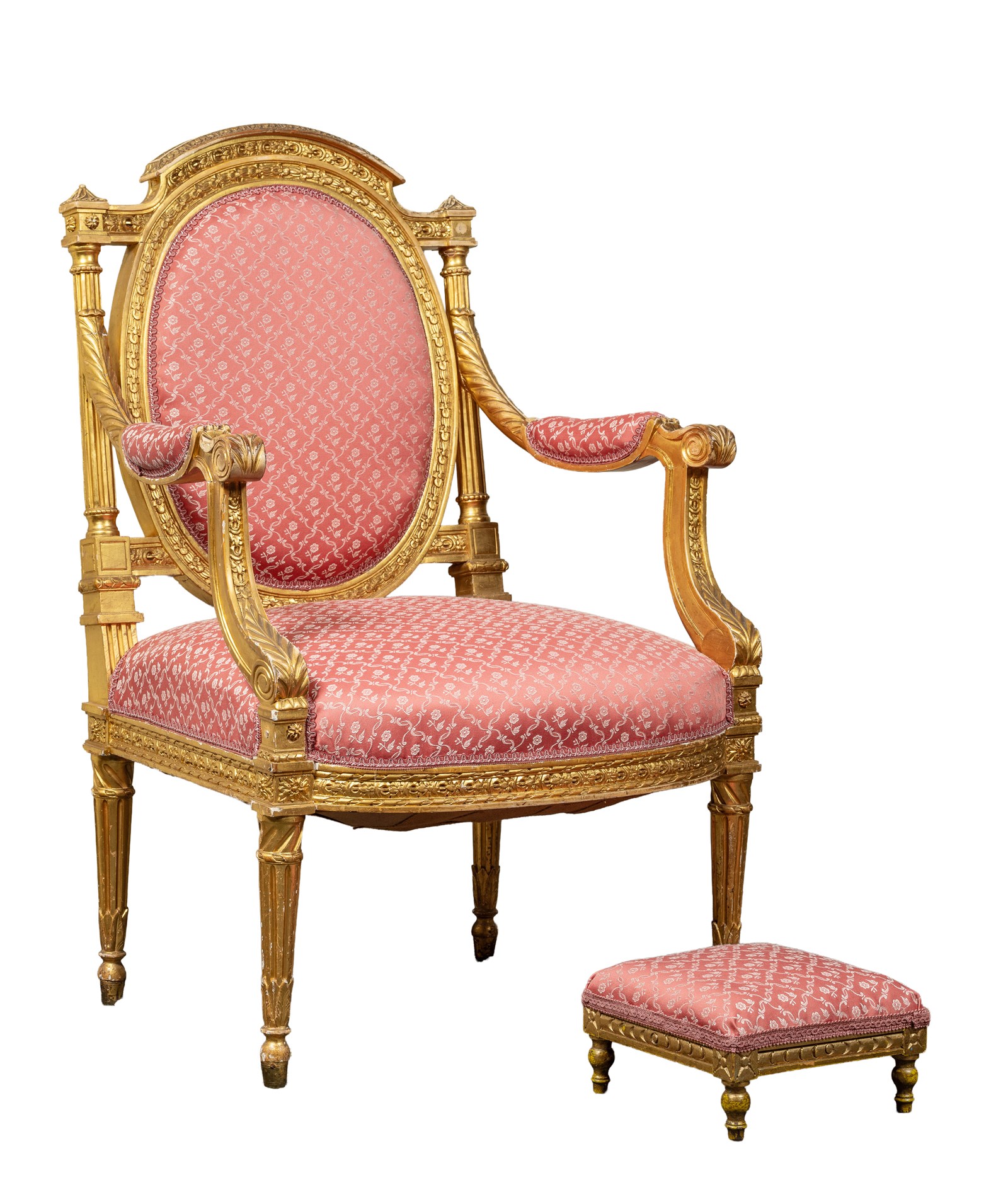
The story begins with Fredrik Gottschalck Haxthausen Due (1796–1873), Norway's Prime Minister from 1841 to 1858. He came from a merchant family in Trondheim with roots in Sweden. Due had a rapid career under Charles John, where his excellent French skills gave him an advantage at the King's council in Stockholm. After serving as State Secretary since 1823, the King appointed Due as Norwegian Prime Minister in 1841. Following the death of Charles John in 1844, Due continued as Prime Minister under King Oscar I, and in 1858, Due requested to step down. This marked the beginning of a diplomatic career. The King appointed him as his "envoyé extraordinaire et ministre plénipotentiaire" to the Austrian and Bavarian courts, based in Vienna. Due retired in 1871 and moved to Christiania in 1873, where he passed away the same year.
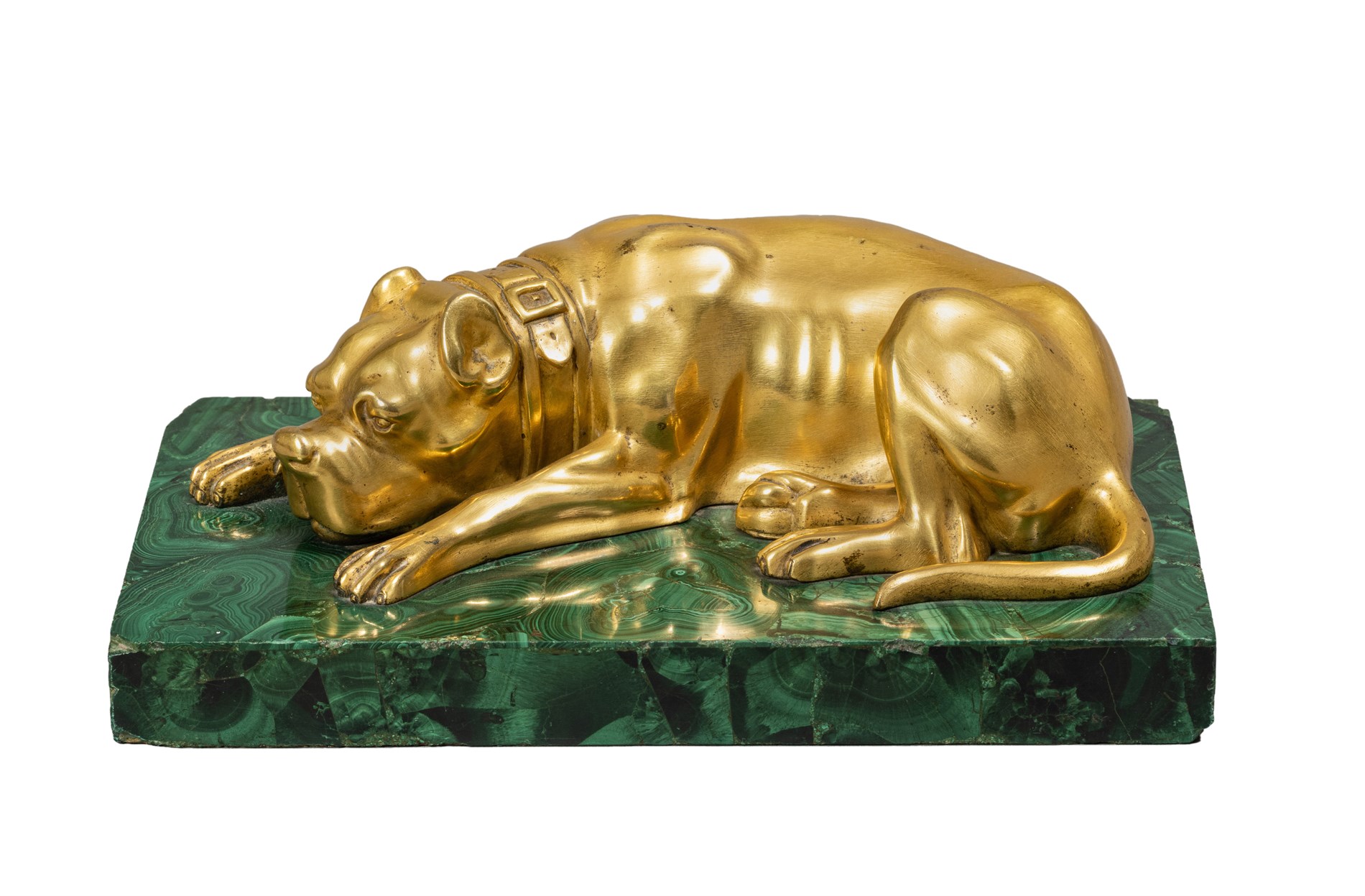
In 1828, Fredrik married Alethe Wilhelmine Georgine Sibbern (1812–1887), born at Værne Kloster in Rygge. Together, they hosted a musical and social household at the Prime Minister's residence in Stockholm, which was also visited by royalty. Alethe was musical with a fine singing voice and composed several songs. Her talent was of such a caliber that she was elected an honorary member of the Royal Swedish Academy of Music in 1850. In 1841, the same year Due became Prime Minister, she was appointed "statsfrue," a lady-in-waiting with rank between the chief lady-in-waiting and a court lady. Alethe served as chief lady-in-waiting from 1871. After Frederik Due's passing in 1873, she remained in Christiania, living as a widow at the Paleet and the Royal Palace until her death in 1887.
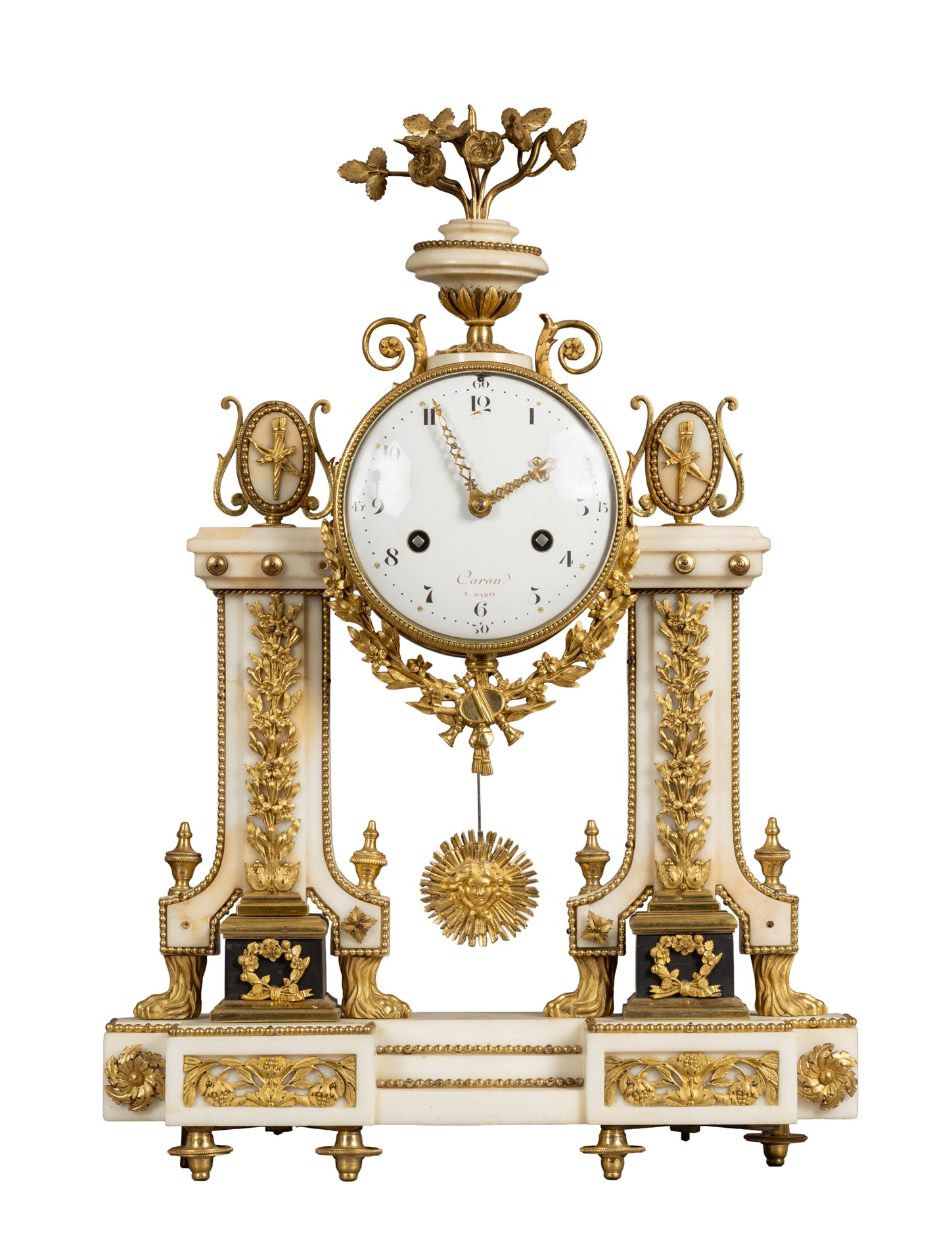
Alethe and Fredrik had five children: Carl Wilhelm Carsten Due (1829–1918), Pauline Cathinca Due (1831–1909), Frederik Georg Knut Due (1833–1906), Carl Johan Due (1836–1862), and Cathinca Karen Alethe Due (1839–1892).
It was the career of their son, Fredrik Georg Knut Due, that led to these items ending up at Oakhill in Rygge. Like his mother, he was highly musical, and in 1897, he was elected to the board of the Royal Swedish Academy of Music. In Paris, he became acquainted with Grieg, who was charmed by a short melody titled "Jarledatteren" that Due had sent him following a visit; Grieg turned the mere 16 bars into a full orchestral piece. In 1856, Due was employed by the Ministry of Foreign Affairs in Stockholm, and in 1859, he was appointed legation secretary at the embassy in Berlin, followed by Paris in 1861—a post he occasionally managed as chargé d'affaires. From October 1869 to 1873, he served as minister in Berlin, then in St. Petersburg, and from 1890 to 1899 as the Swedish-Norwegian minister in Paris.
It was during his time in St. Petersburg that he met Olga Julie Tengborski (1856–1921). Olga was of Russian nobility from St. Petersburg and worked as a lady-in-waiting to Tsar Alexander II at the Anichkov Palace. Fredrik and Olga married in 1876 in Slovakia. Like her husband, Olga was a gifted artist, painting countless watercolors and oil paintings. Over time, many of her works have been sold, but many examples remain in the Oakhill collection.
In 1879, their daughter Alethe Olga Julie Marie Due (1879–1959) was born in St. Petersburg. Known as Lily, she would later become the sole heir to Søndre Oakhill. Lily grew up in Tsarist Russia with the Tsar's children as playmates. She lived in Russia until she was 9, then resided in Paris until she was 18. Every summer was spent at Oakhill. Over the years, the family brought home many beautiful antiques from abroad, and many were placed at Søndre Oakhill. When Fredrik concluded his service as minister in Paris, he brought everything he had in Paris back to Norway and placed much of it at Søndre Oakhill.
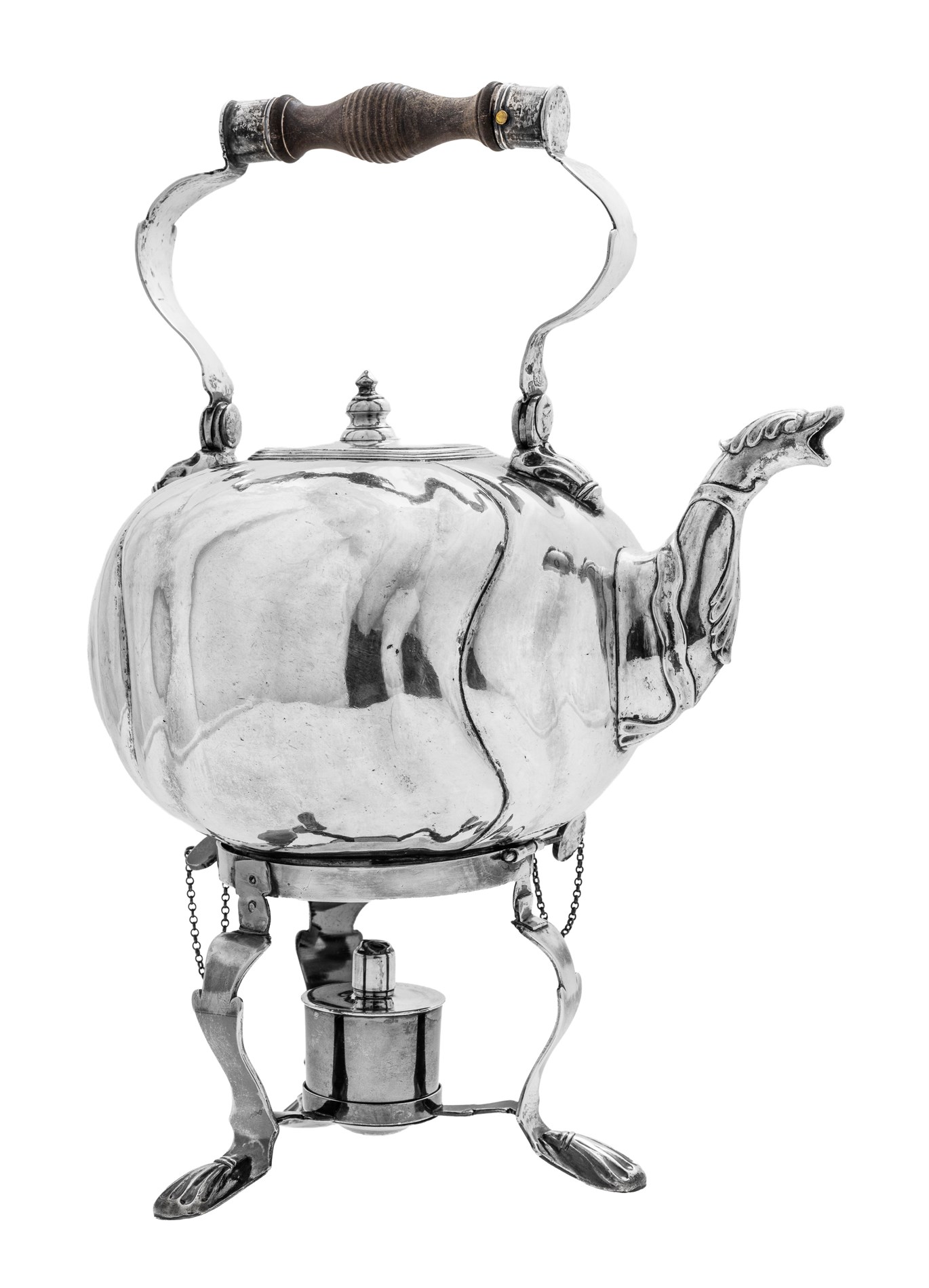
The Oakhill collection consists of items from Fredrik's service in Paris, St. Petersburg, and Berlin. There are also items stemming from the family's travels, including a trip to Tunisia where they drove through the Sahara in the mid-1930s. When her father died, Lily, then 27, and her mother Olga moved to Rygge permanently. They brought with them many wonderful items to decorate Oakhill, where large parties were frequently held. Oakhill was separated from the Baug farm, which was under Værne Kloster; this part eventually became known as Nordre Oakhill and is owned by Fredrik Gottschalck Haxthausen Due.
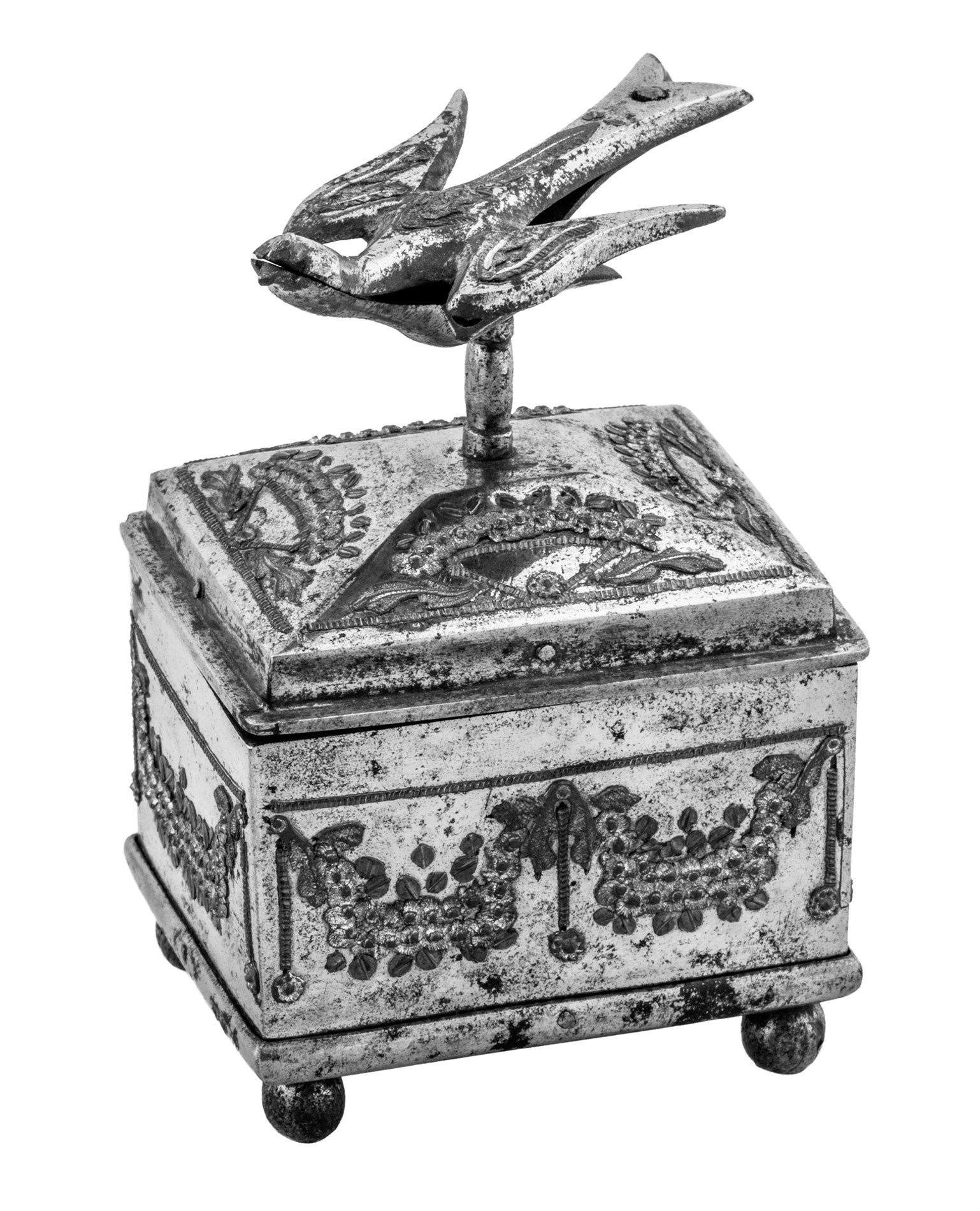
After his death in 1873, his son Carl Wilhelm Carsten Due took over the farm and used it as a summer residence. Like his father and mother, he hosted a musical and social household. A quote from the newspaper *Gjengangeren* states: "Many of the Nordic region's foremost men, even King Oscar II, visited the minister at his summer residence." In 1881, Søndre Oakhill was separated, and diplomat Frederik Georg Knut Due purchased the property to use during holidays and when he was not stationed abroad. It was a grand house with much social activity. In the guestbook, King Oscar II signed his name, alongside many other prominent guests from home and abroad.
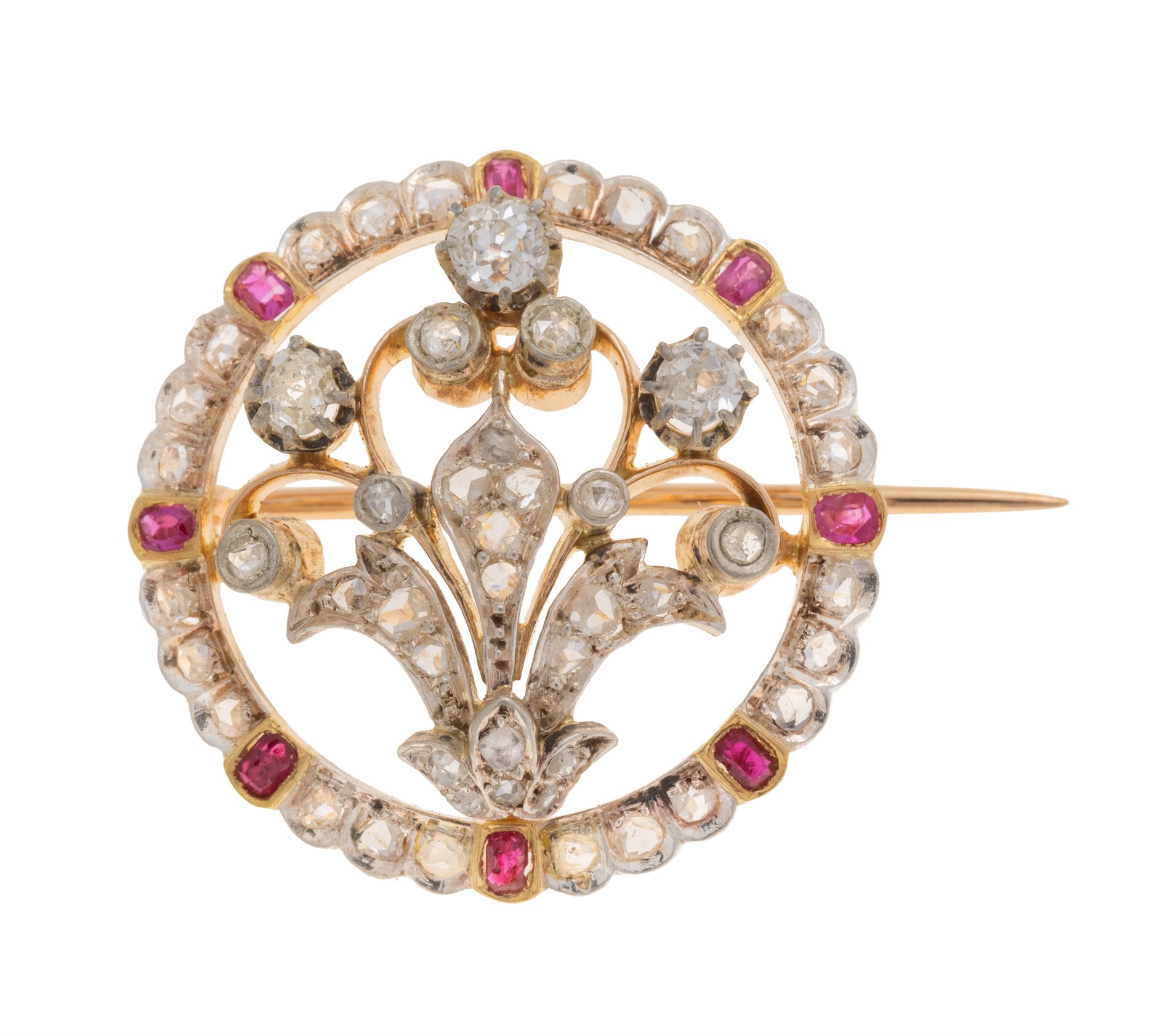
As an only child, Lilly Due inherited the Søndre Oakhill estate in 1921. A 1920 census lists seven named employees living at Søndre Oakhill. Ole Christoffer Jensen was employed as a "chauffeur and servant." Lilly was unmarried, but she received significant help from Jensen, who eventually became the only remaining employee at Oakhill. Jensen would later inherit Søndre Oakhill from Lilly. Jensen had married Dagmar, and the two lived in the house with all its belongings until Jensen passed away. Dagmar was then left with the house, which was large and filled with antiques, paintings, and memories from a golden age few homes have ever seen the likes of.
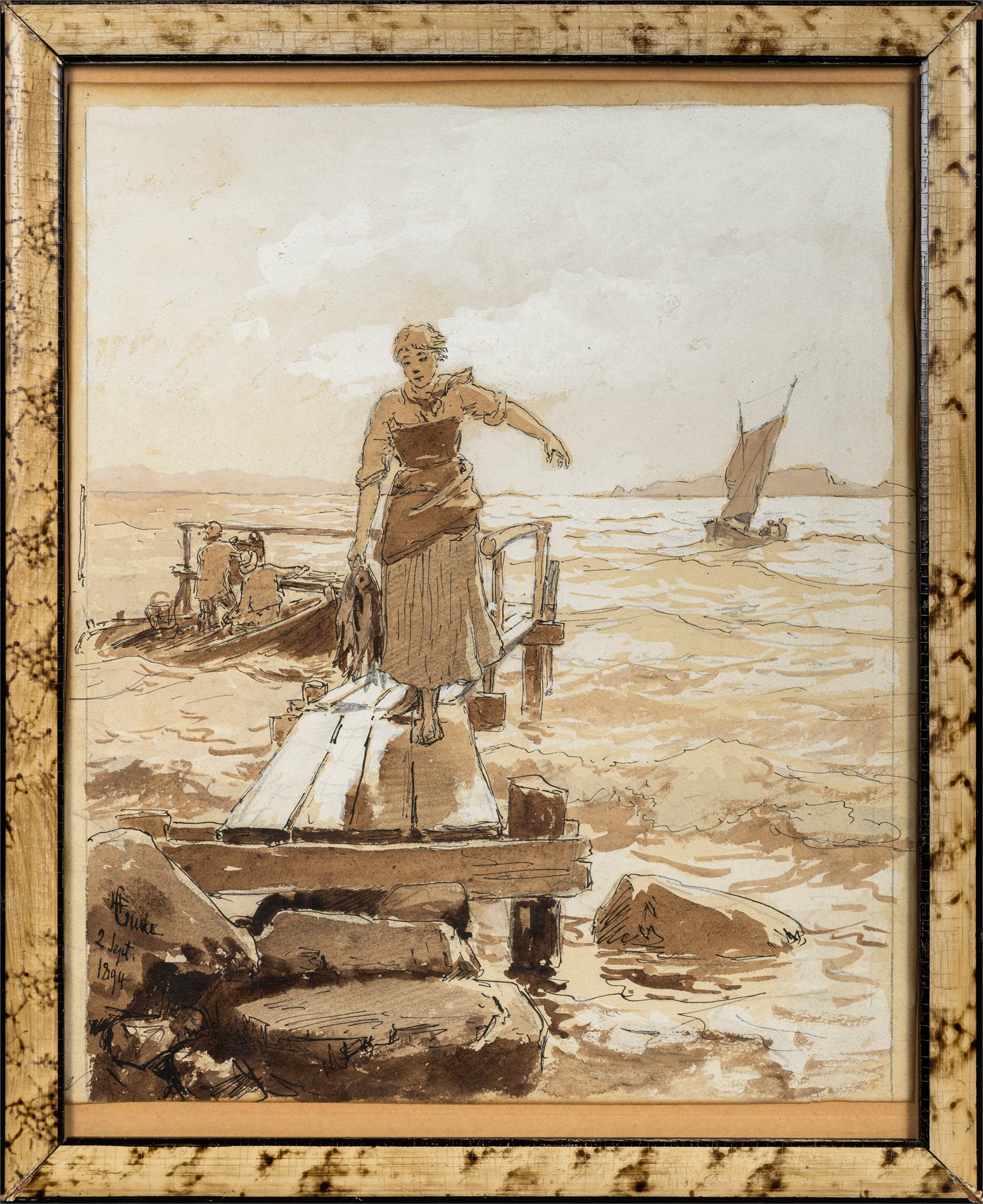
At that time, the house was in very poor condition, and any maintenance performed was financed by selling items that Fredrik and Olga had brought with them. Toward the end of the 70s, living in the house became too difficult, and Dagmar subdivided a plot from Søndre Oakhill where she built a new house. In 1980, she moved into the new house, taking with her what she could fit. Dagmar had no children or clear heirs, and it was her cousins who inherited the house and all its contents. In 1978, Søndre Oakhill was sold to Lilly Due's Swedish relatives, Baron Stig Klingspor (1922-2003), who used the house until his death. The house was then sold to Toppen Bech, and parts of the inventory were sold at auction. The rest is history, and now Nyborgs can bring the remaining treasures to new owners.
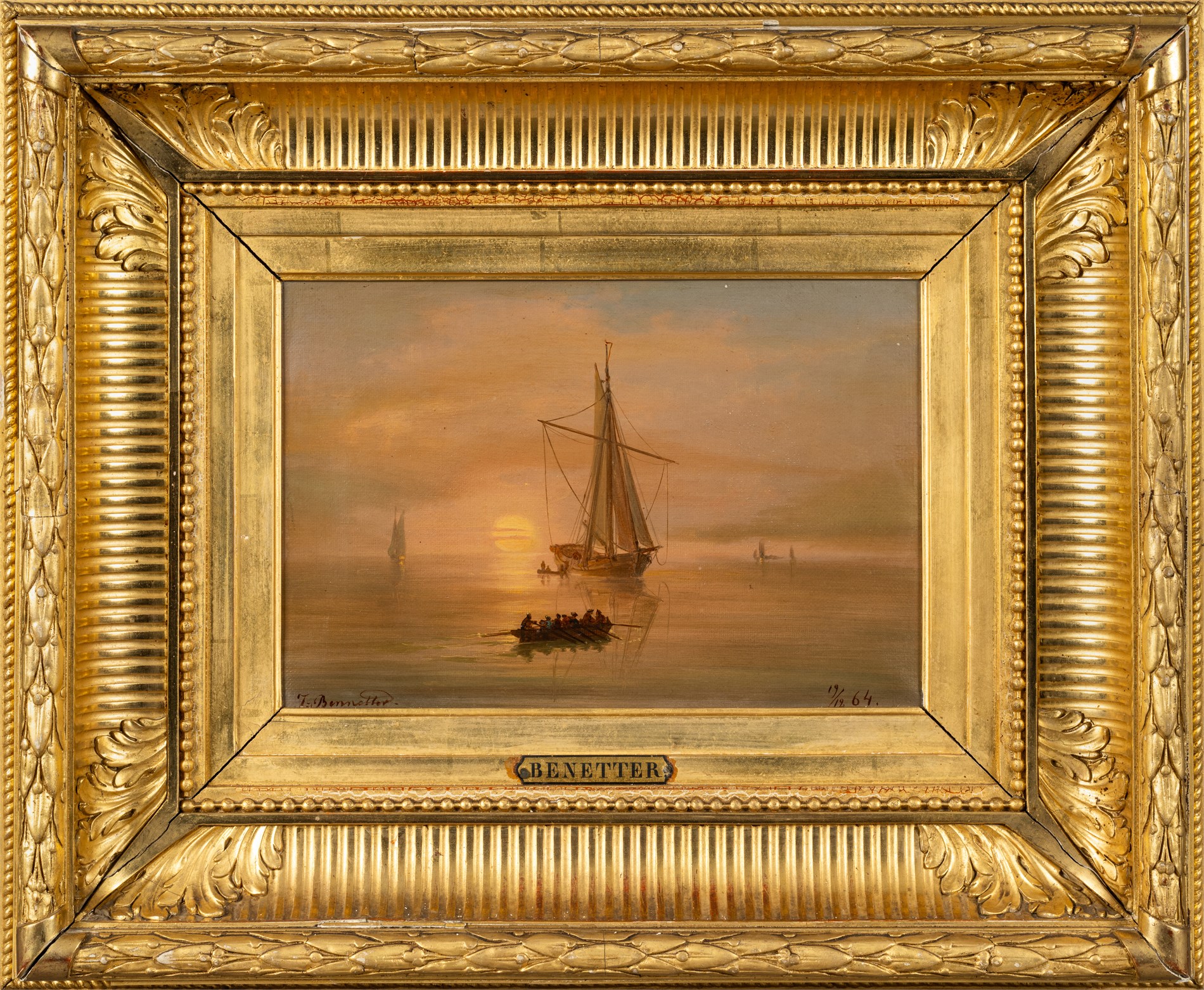
Dagmar had no children or clear heirs, and it was her cousins who inherited the house and all its contents. In 1978, Søndre Oakhill was sold to Lilly Due's Swedish relatives, Baron Stig Klingspor (1922-2003), who used the house until his death. The house was then sold to Toppen Bech, and parts of the inventory were sold at auction. The rest is history, and now Nyborgs can bring the remaining treasures to new owners.